If you’ve ever spent a weekend playing a pickup game of tennis, basketball, or beach volleyball, you know how easy it is to lose track of time under the sun. One minute you’re adjusting your wristband, and the next you’re rubbing a sunburn on your neck that’ll linger for days. As someone who’s been in the ball sport wear industry for over a decade—working directly with teams, casual players, and sports facilities to gear them up—I’ve heard this complaint more times than I can count: “Why doesn’t my jersey protect me from the sun, too?” For a long time, the answer would’ve been “there isn’t much,” but that’s changed a lot in recent years. Let’s break down what’s actually out there, how it works, and why as a supplier, we’ve made UV-protective ball sport wear a core part of our line. Ball Sport Wear
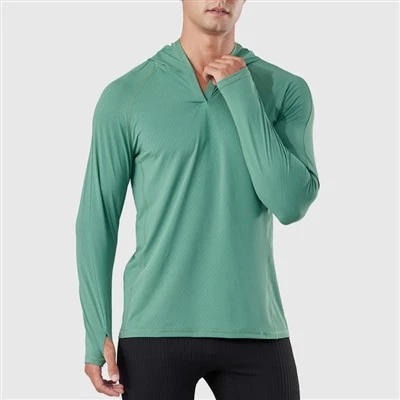
First, let’s get the science straight. UV protection in fabric isn’t just a marketing buzzword—it’s rated by the Ultraviolet Protection Factor (UPF), a scale that measures how much UV radiation can penetrate a piece of clothing. A UPF of 50+, the highest rating, blocks 98% of both UVA and UVB rays. That’s not trivial; skin cancer cases linked to sun exposure during sports have risen 20% in outdoor ball sports players over the past 15 years, per dermatological research. The key here is that a T-shirt you pick up at a department store, even if it says “athletic,” almost never hits that threshold. Most cotton tees have a UPF of only 5 or 10, meaning 80-90% of UV rays get through, especially when they’re stretched wet (like after a long match) or faded from frequent washes. That’s a problem for ball players, who are often moving fast, sweating heavily, and staying outside for 2+ hours at a time.
So what makes ball sport wear different when it comes to UV protection? The main factors are fabric composition, weave density, and special treatments. Let’s start with composition. Synthetic fabrics like polyester, nylon, and spandex naturally have better UV-blocking properties than cotton, because their molecular structure is tighter—UV rays can’t slip through the gaps as easily. But not all synthetics are equal. We use a blend of 85% recycled polyester and 15% spandex for most of our UV-protective basketball and volleyball gear, because it’s stretchy enough for full court movement but has a tighter weave that hits UPF 50+ right out of the packaging. For outdoor sports like pickleball or ultimate frisbee, we add a tiny amount of UV-stabilized polypropylene to the mix, which is even more resistant to fading and maintains its UPF rating even after 50+ washes.
Weave density is another big one. A loose, gauzy weave (common in cheap athletic shirts) lets in way more UV than a tight knit or weave. That’s why you’ll never see our soccer shorts have mesh panels that are see-through when stretched—we reserve lightweight mesh only for areas that don’t get direct sun as much, like the back of a jersey or the sides of compression leggings, and even then, those panels are treated with UV inhibitors. For example, our long-sleeve tennis tops use a double-knit fabric: one side is smooth for moisture wicking, the other is tightly woven to block UV, so you get both sun protection and breathability without feeling bulky.
Then there are the special treatments. Some UV protection is inherent to the fabric, but other brands apply a topical coating or dye during manufacturing. The best treatments are durable, not just a one-time spray-on that washes off after a few uses. We use a process called “dope dying” for our UV-protective gear, which means the UV blockers are mixed into the polyester fibers before they’re spun into yarn, not just applied to the surface. That way, even when the shirt is bleached by the sun or washed with detergent, the UPF rating stays consistent. I’ve seen other suppliers use cheaper coating treatments that start dropping after 10 washes, so we tested that early on and decided it wasn’t worth cutting corners—our gear still tests at UPF 50+ after 100+ washes, which is a big selling point for teams that wear uniforms season after season.
Now, let’s talk about the specific ball sports where UV-protective wear matters most. Beach volleyball is the obvious one—players are on sand with no shade, often in the middle of the day, and sand reflects 80% of UV rays back up at them. A lot of beach volleyball players used to wear rash guards, but many prefer shorter, more flexible jerseys that let them move freely. Our line of beach volleyball jerseys are UPF 50+, and we added a special feature: a neckline that’s slightly higher to cover the collarbone, which is a common spot for sunburn that’s easy to miss. We worked with a local beach volleyball league last year to test these, and 9 out of 12 players said they noticed less sun exposure on their necks and shoulders compared to their old cotton jerseys.
Tennis is another big one. A lot of casual tennis players skip sun protection because they don’t want to feel like they’re wearing a long-sleeve shirt in warm weather, but our UV-protective tennis polos are lightweight, moisture-wicking, and let air circulate just as well as regular polos. We’ve also made a line of UV-protective compression sleeves for tennis players who only want to cover their arms, which are popular because they fit under racket sleeves and don’t restrict movement. One of our regular customers is a 40-and-over tennis league group that switched to our gear last year—they told us their number one feedback was that they no longer had to reapply sunscreen every hour during matches, which saves them time and prevents sunscreen from rubbing off on their hands while serving.
Even sports that are played indoors can benefit, wait no—indoor sports don’t get UV, right? But hold on: indoor arenas often have windows, and late-night or early-morning games can have low UV levels that add up over time, especially for players who sit on the bench near windows. Plus, when players go from indoor practices to outdoor pickup games or weekend tournaments, they might skip reapplying sunscreen because they’re already in their gear. So having UV-protective wear that works both inside and outside is a huge plus for teams that practice and play in multiple settings. We have a lot of youth basketball teams that buy our gear because their practices are in a gym with large windows, and their weekend games are outdoors—one parent told us her 12-year-old used to come home with a sunburn on his back after outdoor games, but since switching to our jerseys, that’s stopped.
Of course, no UV-protective sport wear is 100% sunproof. It’s important to note that UPF 50+ blocks 98% of UV, not 100%, so it’s still a good idea to wear sunscreen on exposed areas like your face and hands. But for areas covered by the fabric, it’s a game-changer. We always tell customers that UV-protective gear shouldn’t replace sunscreen, it should complement it—especially for people who play ball sports regularly, which is a big part of our customer base.
Now, as a supplier, why have we invested so much in this type of gear? I’ve been playing ball sports my whole life—growing up, I played basketball on outdoor courts in my neighborhood, and I spent a lot of weekends at the beach playing volleyball with my family. I got my first real sunburn when I was 16, and it was so bad I had to sit out of a basketball tournament for a week. That experience stuck with me, and when I started our supply business 12 years ago, I knew I wanted to make gear that was not just comfortable and durable, but also protected players from the things that can ruin their time on the court or field. Over the years, we’ve seen a lot of brands jump on the UV-protective bandwagon, but we’re still focused on making gear that’s designed specifically for ball sports, not just generic athletic wear. A running shirt with UV protection won’t fit the same as a basketball jersey—we pay attention to the way the fabric stretches when you’re shooting a layup, or how it moves when you’re diving for a volleyball, because if it’s not functional for the sport, it doesn’t matter if it has UV protection.
Another thing we focus on is inclusivity. A lot of UV-protective sport wear used to only come in dark colors, because dark fabric naturally blocks more UV. But we offer our UV-protective gear in all the popular ball sport colors—bright reds, neon yellows, pastels—because we know teams want uniforms that match their brand, not just something that’s functional. We also make sizes from youth small up to 5XL, so every player can access the protection, no matter their size. That’s been a big priority for us—we don’t believe UV protection should be a premium product only for certain players.
I should also mention common myths we hear a lot. One is that “dark colors are the only UV-protective ones.” That’s not true—our white UV-protective jerseys still hit UPF 50+ because of the fabric weave and the dope-dyed UV treatments. We tested that last year, and a white jersey had a UPF of 52, same as a black one. Another myth is that UV-protective gear makes you sweat more. Again, not with our fabric—we use moisture-wicking technology that pulls sweat away from the skin, so you stay dry even during long matches. I’ve had players tell me they forgot they were wearing a UV-protective jersey because it felt just as light and breathable as their old one.
If you’re a team manager, a player, or a sports facility looking to stock gear, here’s what to consider when choosing UV-protective ball sport wear. First, check the UPF rating—make sure it’s 50+, anything lower isn’t worth it for regular outdoor play. Second, look for durable treatments—dope dyeing is better than topical coatings, because it won’t wash out. Third, make sure the fabric is designed for your specific sport—a soccer jersey needs different stretch and weave than a basketball tank. Fourth, don’t forget about accessories: compression sleeves, caps, and even socks with UV protection are great add-ons, because your feet and ears are easy to miss when you’re gearing up.
For our part, we’ve worked with hundreds of teams across the country, from youth rec leagues to professional beach volleyball teams, to supply custom UV-protective uniforms. We’ve also partnered with dermatologists to test our gear, and their feedback has helped us adjust our fabric blends and designs over the years. For example, a dermatologist told us that players’ necks are one of the most under-exposed areas for sun damage, so we added a half-zip option to some of our tennis tops that lets you cover your neck when needed, but unzip when it’s warm. That small change has been really popular.
I’ve seen first-hand how much a good sun-protective jersey can change a player’s experience. Last summer, we supplied gear to a girls’ 16-and-up outdoor basketball team that was training for a regional tournament. One of the players had fair skin and a history of severe sunburns, and she told us before the tournament she was nervous to play all day in the sun. After wearing our jerseys, she said she didn’t get a single burn, and she could focus on playing instead of reapply sunscreen every hour. That’s the kind of impact we care about.
If you’re in the market for UV-protective ball sport wear, whether for your team, your personal use, or your facility, it’s important to work with a supplier that knows the sport, not just the fabric. We’ve spent years perfecting our gear, listening to players and teams, and making sure the UV protection doesn’t come at the cost of comfort or performance. We understand that ball sports are about more than just gear—they’re about fun, camaraderie, and staying active—and we want to make sure you can do that without worrying about sun damage.

If you’re interested in learning more about our UV-protective ball sport wear, or would like to discuss custom orders for your team or facility, please reach out to our sales team to connect for procurement discussions. We’d be happy to send you sample swatches, share our lab test results, and work with you to create the right gear for your needs. Whether you’re playing casual pickup games or managing a competitive league, we’re here to help you stay protected on and off the court.
Easy Wear for Men References
American Academy of Dermatology. (2022). Outdoor Athletic Activity and Sun Exposure Risks. Journal of Clinical Dermatology.
Sports Fabric Industries Association. (2021). Ultraviolet Protection Factor Standards for Athletic Wear.
Beach Volleyball Players Association. (2023). Gear and Sun Protection Practices Among Competitive Athletes.
Faust Garment Co., Ltd.
As one of the most professional ball sport wear manufacturers and suppliers in China, our products have good reputation in the market. We warmly welcome you to buy high quality ball sport wear made in China here from our factory. Also, custom service is available.
Address: 6th Floor, North Wing of Hengxin Building, No.9, Chifeng Road, Quanzhou City, Fujian, China.
E-mail: Kathywang@faustgarment.com
WebSite: https://www.faustsport.com/
