In the realm of logistics and transportation, understanding the fuel consumption of a truck pulling a curtain semi – trailer is of paramount importance. As a supplier of curtain semi – trailers, I’ve witnessed firsthand the impact that this factor has on the overall efficiency and profitability of logistics operations. This blog post aims to delve into the nuances of fuel consumption, exploring the various elements that influence it and offering insights for truck operators and fleet managers. Curtain Semi-trailer
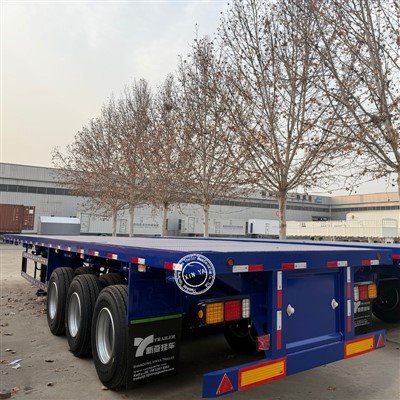
Understanding Fuel Consumption Basics
Fuel consumption, in the context of a truck pulling a curtain semi – trailer, refers to the amount of fuel a truck expends to cover a certain distance. It is typically measured in liters per 100 kilometers (L/100km) or miles per gallon (MPG). The lower the fuel consumption, the more fuel – efficient the truck and trailer combination is, which directly translates to cost savings for the operator.
Numerous factors affect the fuel consumption of a truck – trailer unit. The engine is the heart of the truck, and its design and technology play a significant role. Modern engines are equipped with advanced features such as turbocharging, direct injection, and variable valve timing, which can improve fuel efficiency. For instance, a turbocharged engine can compress more air into the combustion chamber, allowing for better fuel combustion and thus lower fuel consumption.
The weight of the load carried by the curtain semi – trailer is another crucial factor. Heavier loads require more energy to move, which means the engine has to work harder and consume more fuel. A study by the American Transportation Research Institute found that an increase in vehicle weight by 10% can lead to an approximately 5% increase in fuel consumption. Therefore, optimizing the load weight and distribution is essential for reducing fuel burn.
Aerodynamics and Its Impact
Aerodynamics is a key area where curtain semi – trailers can have a major influence on fuel consumption. The shape of the trailer and how it interacts with the air as the truck moves can either create drag or minimize it. A well – designed curtain semi – trailer can significantly reduce aerodynamic drag, leading to better fuel efficiency.
When a truck is in motion, it has to push through the air. As the air flows around the trailer, it can create areas of high and low pressure, which result in drag. This drag force acts in the opposite direction of the truck’s motion and requires additional energy from the engine to overcome it. Curtain semi – trailers with smooth, streamlined designs and features like aerodynamic side skirts and fairings can help to reduce this drag.
Side skirts are installed along the sides of the trailer, close to the ground. They prevent air from flowing underneath the trailer, which reduces turbulence and drag. Fairings are typically placed on the front, rear, or top of the trailer to help the air flow more smoothly around the vehicle. Research has shown that the use of aerodynamic devices on semi – trailers can reduce fuel consumption by up to 10% or even more in some cases.
Driving Behavior and Fuel Efficiency
The way a truck driver operates the vehicle has a substantial impact on fuel consumption. Aggressive driving behaviors such as rapid acceleration, hard braking, and high – speed driving can increase fuel usage significantly. By contrast, adopting a more fuel – efficient driving style can lead to considerable savings.
Accelerating gradually allows the engine to operate in its most efficient range. When a driver floors the accelerator, the engine consumes a large amount of fuel in a short period to generate the necessary power. Braking hard also wastes energy because the kinetic energy of the moving vehicle is converted into heat and dissipated. Instead, drivers should anticipate stops and slow down gradually by taking their foot off the accelerator earlier.
Maintaining a steady speed is also crucial for fuel efficiency. Driving at a consistent speed within the recommended range for the truck’s engine can minimize fuel consumption. For example, most trucks achieve their best fuel economy between 80 – 90 km/h (50 – 56 mph). Speeding not only increases the risk of accidents but also raises fuel consumption due to increased air resistance.
Route Planning and Fuel Consumption
Route planning is an often – overlooked aspect of managing fuel consumption. Choosing the most direct and least congested routes can save a significant amount of fuel. Traffic congestion can cause trucks to stop and start frequently, which is extremely inefficient in terms of fuel usage.
In addition to avoiding traffic, considering the terrain of the route is also important. Hilly or mountainous roads require more energy from the engine when climbing and can put additional stress on the brakes when descending. By selecting routes with less elevation change, truck operators can improve fuel efficiency.
Advanced route – planning software is available today that takes into account factors such as traffic conditions, road grades, and distance. These tools can provide optimized routes that help reduce fuel consumption and improve overall operational efficiency.
Maintenance and Fuel Efficiency
Proper maintenance of both the truck and the curtain semi – trailer is essential for ensuring optimal fuel efficiency. A well – maintained engine runs more smoothly and efficiently, consuming less fuel. Regular oil changes, air filter replacements, and spark plug checks are some of the basic maintenance tasks that can keep the engine in good condition.
For the curtain semi – trailer, maintaining the tires is crucial. Under – inflated tires increase rolling resistance, which means the engine has to work harder to move the vehicle. Fleet managers should regularly check tire pressure and ensure that it is at the recommended level. Tires should also be rotated and balanced as needed to ensure even wear.
The condition of the trailer’s mechanical components, such as the brakes and suspension, can also affect fuel consumption. Worn – out brakes can cause drag, increasing fuel usage. Ensuring that all these components are in good working order can contribute to better fuel efficiency.
The Role of Our Curtain Semi – Trailers in Fuel Efficiency
As a curtain semi – trailer supplier, we are committed to designing and manufacturing trailers that contribute to better fuel efficiency. Our trailers are engineered with aerodynamics in mind. We use advanced design techniques and materials to create smooth, streamlined bodies that reduce air drag. Our side skirts and fairings are carefully designed to optimize air flow around the trailer, helping to lower fuel consumption.
We also offer customization options to meet the specific needs of our customers. For example, we can adjust the weight of the trailer by using lightweight materials without compromising on strength. This allows our customers to carry more payload while keeping the overall weight of the truck – trailer combination in check, which in turn helps to reduce fuel consumption.
Conclusion

In conclusion, the fuel consumption of a truck pulling a curtain semi – trailer is influenced by a multitude of factors, including engine technology, load weight, aerodynamics, driving behavior, route planning, and maintenance. By understanding these factors and taking proactive measures to optimize them, truck operators and fleet managers can significantly reduce fuel costs and improve the overall efficiency of their operations.
Lowbed Semi Trailer As a curtain semi – trailer supplier, we understand the importance of fuel efficiency for our customers. Our trailers are designed and built to help you achieve just that. If you’re looking to enhance the fuel efficiency of your trucking operations and are in the market for a high – quality curtain semi – trailer, we invite you to reach out to us. Our team of experts is ready to discuss your specific requirements and provide you with the best solutions.
References
- American Transportation Research Institute. (Year). "Impact of Vehicle Weight on Fuel Consumption."
- Various industry reports on truck fuel efficiency and aerodynamics.
Shandong Yuncheng Xinya Trailer Manufacturing Co., Ltd.
Shandong Yuncheng Xinya Trailer Manufacturing Co., Ltd. is one of the most experienced curtain semi-trailer manufacturers and suppliers in China, featured by quality products and good service. Please rest assured to buy CE approved curtain semi-trailer from our factory. Contact us for customized service and OEM service.
Address: No. 008, Hexie Road, Yangzhuangji Town, Yuncheng County, Heze City, Shandong Province
E-mail: fiona@xinyatrailer.com
WebSite: https://www.china-truckfactory.com/
