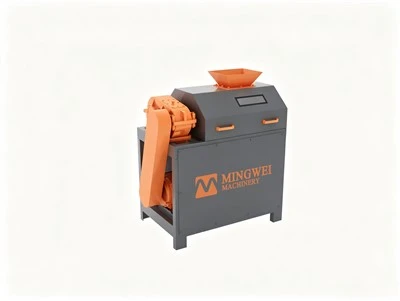
In the industrial landscape, the output accuracy of the Auxiliary Machine Series is a critical factor that can significantly impact the overall efficiency and quality of production processes. As a seasoned supplier of the Auxiliary Machine Series, I’ve witnessed firsthand how precise output can lead to improved productivity, reduced waste, and enhanced customer satisfaction. In this blog, I’ll share some practical strategies and industry insights on how to boost the output accuracy of these essential machines. Auxiliary Machine Series
Understanding the Core Factors Affecting Output Accuracy
Before delving into solutions, it’s crucial to understand the key factors that can influence the output accuracy of the Auxiliary Machine Series. These factors can be broadly categorized into mechanical, electrical, and operational aspects.
Mechanical Factors
- Component Wear and Tear: Over time, the mechanical components of the auxiliary machines, such as gears, belts, and bearings, can experience wear and tear. This can lead to misalignments, play in the system, and ultimately, reduced output accuracy. Regular maintenance, including lubrication, inspection, and replacement of worn parts, is essential to minimize these issues.
- Structural Rigidity: The overall rigidity of the machine’s structure plays a vital role in maintaining accuracy. Vibrations, shocks, and external forces can cause the machine to deflect, affecting the positioning and movement of its components. Ensuring a solid foundation and proper structural design can help reduce these unwanted movements.
Electrical Factors
- Control System Precision: The control system is the brain of the auxiliary machine, responsible for regulating its speed, position, and other operational parameters. A high – precision control system with accurate sensors and actuators is essential for achieving consistent output. Upgrading to advanced control algorithms and technologies can improve the responsiveness and accuracy of the system.
- Power Quality: Fluctuations in power supply can have a detrimental effect on the performance of the electrical components in the machine. Voltage sags, surges, and frequency variations can cause the machine to operate erratically, leading to inaccurate output. Using power conditioning equipment, such as uninterruptible power supplies (UPS) and voltage regulators, can help stabilize the power supply.
Operational Factors
- Operator Training: The skills and knowledge of the operators can significantly impact the output accuracy of the auxiliary machines. Proper training on machine operation, programming, and maintenance procedures is crucial to ensure that the machines are used correctly. Operators should be trained to identify and troubleshoot common issues that may affect accuracy.
- Process Optimization: Optimizing the manufacturing process in which the auxiliary machines are used can also improve output accuracy. This includes factors such as material selection, feed rates, cutting speeds, and cycle times. By fine – tuning these parameters, it’s possible to achieve a more consistent and accurate output.
Strategies to Improve Output Accuracy
Regular Maintenance and Calibration
- Preventive Maintenance Schedule: Establish a comprehensive preventive maintenance schedule for the Auxiliary Machine Series. This should include regular inspections, cleaning, lubrication, and replacement of critical components. By identifying and addressing potential issues before they cause significant problems, you can ensure the long – term accuracy and reliability of the machines.
- Calibration Procedures: Regular calibration of the machine’s sensors, actuators, and control systems is essential to maintain accuracy. Calibration should be performed using traceable standards and following the manufacturer’s recommended procedures. This helps to ensure that the machine is measuring and operating within the specified tolerances.
Upgrading Technology and Components
- Advanced Control Systems: Consider upgrading to more advanced control systems that offer higher precision and better performance. Newer control technologies, such as servo drives and motion controllers, can provide more accurate speed and position control, resulting in improved output accuracy.
- High – Quality Components: Using high – quality mechanical and electrical components in the auxiliary machines can also enhance accuracy. For example, precision – made gears and bearings can reduce backlash and improve the overall mechanical performance of the machine.
Process Improvement and Automation
- Lean Manufacturing Principles: Implement lean manufacturing principles to optimize the production process. This includes reducing waste, improving flow, and standardizing work procedures. By eliminating non – value – added activities, the auxiliary machines can operate more efficiently and accurately.
- Automation Integration: Integrating automation technologies, such as robotics and programmable logic controllers (PLCs), can further improve output accuracy. Automation can reduce human error, increase repeatability, and allow for more precise control of the production process.
Operator Training and Development
- Comprehensive Training Programs: Provide comprehensive training programs for operators, covering machine operation, programming, maintenance, and troubleshooting. Hands – on training and continuous learning opportunities can help operators develop the skills and knowledge needed to operate the auxiliary machines accurately.
- Performance Monitoring and Feedback: Implement a performance monitoring system to track the operators’ performance. Provide regular feedback and coaching to help them improve their skills and techniques. This can lead to more consistent and accurate operation of the machines.
Real – World Case Studies
Let’s take a look at a couple of real – world examples to illustrate the effectiveness of these strategies in improving the output accuracy of the Auxiliary Machine Series.
Case Study 1: A Plastic Injection Molding Facility
A plastic injection molding facility was experiencing significant issues with the output accuracy of its auxiliary machines, such as material handling systems and temperature controllers. The facility implemented a comprehensive maintenance program, including regular calibration of sensors and replacement of worn components. They also upgraded to a more advanced control system for the temperature controllers, which provided more precise temperature regulation. As a result, the output accuracy of the injection molding process improved by 30%, leading to a reduction in scrap rates and an increase in product quality.
Case Study 2: A Metal Cutting Workshop
In a metal cutting workshop, the auxiliary machining centers were producing parts with inconsistent dimensions. The workshop focused on operator training, providing in – depth training on programming and machine operation. They also optimized the cutting parameters, such as feed rates and cutting speeds, based on the material properties. Additionally, they installed a vibration – damping system to reduce unwanted vibrations during the cutting process. These measures resulted in a 25% improvement in the output accuracy of the machined parts, leading to higher customer satisfaction and increased competitiveness in the market.
Conclusion
Improving the output accuracy of the Auxiliary Machine Series is a multi – faceted challenge that requires a combination of mechanical, electrical, and operational solutions. By understanding the core factors affecting accuracy, implementing regular maintenance and calibration procedures, upgrading technology and components, optimizing processes, and investing in operator training, it’s possible to achieve significant improvements in output accuracy.
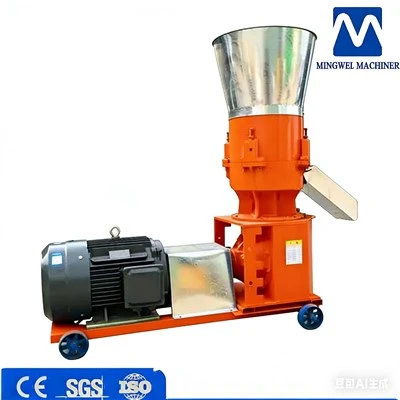
Granulation Machines As a supplier of the Auxiliary Machine Series, I’m committed to helping our customers enhance the performance of their machines. If you’re looking to improve the output accuracy of your auxiliary machines and take your production processes to the next level, I encourage you to reach out for a procurement discussion. We can work together to develop customized solutions that meet your specific needs and requirements.
References
- Groover, M. P. (2019). Fundamentals of Modern Manufacturing: Materials, Processes, and Systems. Wiley.
- Dieter, G. E., & Schmidt, L. C. (2019). Engineering Design: A Materials and Processing Approach. McGraw – Hill Education.
- Pahl, G., Beitz, W., Feldhusen, J., & Grote, K. H. (2007). Engineering Design: A Systematic Approach. Springer.
Henan Mingwei Machinery Equipment Co., Ltd.
As one of the most experienced auxiliary machine manufacturers in China, we have world-leading production equipment and strong manufacturing capabilities. Please rest assured to buy durable auxiliary machine for sale here from our factory. For price consultation, contact us.
Address: No.461 Qudong Jinsui Avenue, Hongqi District, Xinxiang City, Henan Province, China
E-mail: info@hnmwm.com
WebSite: https://www.hnmwmequip.com/
