Hey there! I’m part of a crew that supplies fixed wing drones. You might be wondering, "How do you control a fixed wing drone?" Well, let me break it down for you. Fixed Wing Drone
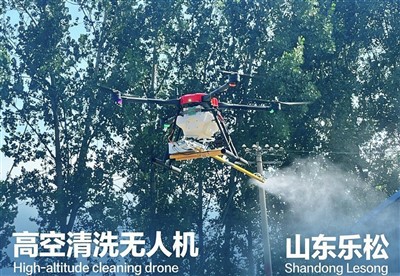
First off, getting into the world of fixed wing drone control is a bit like learning to drive a new kind of vehicle. There are some basic concepts you gotta wrap your head around. Fixed wing drones are different from those quad – copters you often see. They’re built more like airplanes, with wings that generate lift as they move forward.
Understanding the Basics of Control
The most fundamental thing in controlling a fixed wing drone is knowing the three axes of movement: pitch, roll, and yaw. Pitch is all about the up – and – down movement of the drone’s nose. Roll is the rotation around the drone’s longitudinal axis, which is basically how it leans to the left or right. Yaw is the side – to – side movement of the drone’s nose, much like a car turning its steering wheel.
To control these axes, you’re gonna use a radio transmitter. It’s like the remote control for your drone. On this transmitter, there are usually at least four control sticks. Two of these sticks are the main ones for pitch/roll and yaw/throttle control.
The left stick typically controls throttle and yaw. Pushing the stick up increases the throttle, which makes the drone go faster. Pulling it down reduces the throttle. Moving the stick left or right controls the yaw, making the drone turn left or right.
The right stick is for pitch and roll. Pushing it forward makes the drone’s nose go down, and pulling it back makes the nose go up. Moving it left or right makes the drone roll to the left or right.
Pre – flight Checks
Before you even think about taking off your fixed wing drone, you gotta do some pre – flight checks. First, check the drone’s physical condition. Make sure the wings are properly attached, the propeller is intact, and there are no loose parts.
Next, check the battery. You don’t want your drone to fall out of the sky mid – flight because of a dead battery. Also, make sure the battery is charged properly and installed correctly.
Calibrate your radio transmitter and the drone’s sensors. Calibrating the sensors ensures that the drone knows which way is up, down, left, and right. This is super important for stable flight. You can usually do this calibration through the drone’s control software.
Taking Off
Once you’ve done all your pre – flight checks, it’s time to take off. The take – off process for a fixed wing drone is a bit different from a quad – copter. You can’t just make it hover in place.
First, set the throttle to about half. This gives the drone enough speed to generate lift. As the drone starts moving forward, gradually pull back on the pitch control stick. This makes the drone’s nose go up, and it’ll start climbing.
It’s important to keep the drone straight during take – off. Use the yaw control to correct any sideways movement. If the drone starts drifting to the left, gently push the yaw stick to the right, and vice versa.
In – flight Control
Once your fixed wing drone is in the air, it’s time to have some fun! But you also need to keep a close eye on it.
Maintaining altitude is crucial. If you want to go higher, you can increase the throttle a bit and pull back slightly on the pitch control. To descend, reduce the throttle and push the pitch control forward a little.
Turning the drone is also an important skill. To turn, you can either use the yaw control or a combination of roll and pitch. If you just use the yaw control, the drone will turn, but it’ll also lose some speed. A better way is to use roll. Roll the drone in the direction you want to turn, and then use a bit of pitch to maintain altitude.
Another thing to keep in mind is wind. Wind can have a big impact on your fixed wing drone’s flight. If there’s a strong head – wind, you’ll need to increase the throttle to maintain speed. A tail – wind can make the drone go faster, so you might need to reduce the throttle.
Landing
Landing a fixed wing drone is probably the trickiest part. You need to approach the landing area at the right speed and angle.
First, start reducing the throttle when you’re getting close to the landing area. This will slow the drone down. As you get closer to the ground, gradually pull back on the pitch control to flare the drone. This means increasing the angle of the wings to slow the descent.
Try to land the drone on a flat, clear surface. Use the yaw control to line up with the landing area. Once the wheels touch the ground, gently tap the brakes (if your drone has them) to stop the drone.
Advanced Control Techniques
For those who want to take their fixed wing drone control to the next level, there are some advanced techniques.
One of these is using autonomous flight modes. Many of the fixed wing drones we supply come with GPS and other advanced sensors that allow for autonomous flight. You can pre – program a flight path using the control software. The drone will then follow this path on its own. You can still take over control at any time if needed.
Another advanced technique is using first – person view (FPV). With FPV, you can attach a camera to the drone and wear goggles that show you what the camera sees. This gives you a real – time, immersive view of the drone’s flight. It’s like you’re sitting in the cockpit! FPV flying requires a bit more skill, but it’s a lot of fun.
Software and Firmware
Don’t forget about the software and firmware that come with your fixed wing drone. These are like the brain of the drone.
The control software on your computer or mobile device allows you to perform pre – flight checks, program flight paths, and monitor the drone’s status during flight. Make sure to keep this software up – to – date.
The firmware on the drone itself also needs to be updated regularly. Firmware updates can improve the drone’s performance, add new features, and fix any bugs.
Troubleshooting
Even if you’re an experienced fixed wing drone controller, things can go wrong. One common problem is that the drone might start to drift. This could be due to a mis – calibrated sensor. In that case, you’ll need to re – calibrate the sensors.
Another issue could be a loss of communication between the drone and the transmitter. This could be because of interference or a low battery in the transmitter. Check the battery and move to an area with less interference.
If the drone starts to behave erratically, like spinning out of control, it could be a mechanical problem or an issue with the firmware. In this case, it’s best to land the drone immediately and check it out.
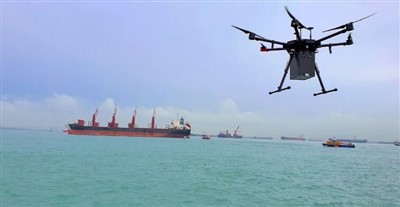
So, there you have it! That’s a basic rundown of how you control a fixed wing drone. It might seem a bit complicated at first, but with practice, you’ll get the hang of it.
Agricultural Drone If you’re interested in getting your hands on one of our high – quality fixed wing drones, or if you have any questions about controlling them, don’t hesitate to reach out to us. We’re here to help you take your drone flying experience to new heights.
References
- Some basic knowledge about fixed wing drone mechanics from general aerospace engineering textbooks.
- Personal experience working with different models of fixed wing drones over the years.
Shandong Lesong Drone Technology Co., Ltd.
As one of the most professional fixed wing drone manufacturers in China, our products have good reputation in the market. Please rest assured to wholesale high quality fixed wing drone for sale here from our factory. Good service and punctual delivery are available.
Address: Yuncheng County, Heze City, Shandong Province
E-mail: Ella36988@163.com
WebSite: https://www.china-uavfactory.com/
