When a customer first reaches out to our Plastic Adjustable Feet business, they often start with the same question: “Should I go with plastic or rubber adjustable feet for my application?” It’s a fair ask—choosing the right support component might seem small, but it can make or break the stability, durability, and cost of everything from industrial machinery to office furniture. For years, I’ve walked through this decision with clients, and the answer never boils down to a straight “plastic is better” or “rubber is better.” Instead, it’s about matching the material’s properties to your specific needs, the environment your equipment will live in, and how much wear and tear it’ll face. Let me break this down from the perspective of someone who’s worked with these components for over a decade, sourcing and supplying plastic adjustable feet for clients across industries, to help you make the call that fits your work. Plastic Adjustable Feet
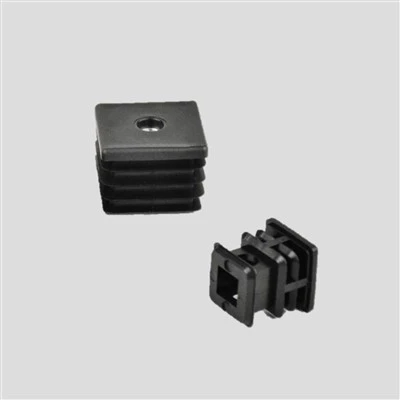
First, let’s get clear on what each material brings to the table, starting with plastic adjustable feet. Most of the adjustable feet we supply are made from durable engineering thermoplastics—think nylon, polypropylene, or PVC, each with slightly different traits. The big draw for plastic here is its structural rigidity. Unlike rubber, which is soft and flexible, plastic holds its shape under load. That’s why you’ll see plastic adjustable feet on heavy warehouse shelving, conveyor systems, and even home appliances like refrigerators or washing machines. When you need a foot that won’t compress over time as weight sits on it, plastic is the way to go. A common issue with rubber adjustable feet is “set”—that’s the permanent indentation rubber gets after being squeezed under heavy weight for months, or even years. Once rubber sets, it can no longer level a surface properly, leading to wobbly equipment, uneven shelving that’s prone to tipping, or appliances that make loud, unstable noises when running.
Plastic also has a huge advantage when it comes to moisture and chemical resistance. Most industrial environments have at least a little exposure to water, oils, cleaning chemicals, or even food residues if you’re working in the food and beverage space. Our plastic adjustable feet can handle regular wipe-downs, immersion in mild chemicals, or being left outside in rain or humidity without corroding, swelling, or degrading. Rubber, on the other hand, is porous by nature, especially cheaper types like natural rubber. Over time, moisture can seep into tiny gaps, leading to mold, mildew, or breakdown when it’s exposed to harsh detergents. We’ve had clients in food processing who tried rubber feet for conveyors, and within six months, the rubber had absorbed food oils and developed a sticky, unhygienic surface that required constant replacement. Plastic doesn’t have that issue—it’s non-porous, easy to sanitize, and complies with food safety standards for most thermoplastics we use.
Another big point is cost. For large-scale orders, plastic adjustable feet are almost always more affordable than their rubber counterparts. The raw materials for thermoplastics are cheaper and more consistently available than high-grade rubber, and manufacturing plastic feet is simpler, with less waste during production. A lot of small to medium businesses come to us because they’re outfitting a fleet of new desks or workstations, and they need hundreds or thousands of feet. Choosing plastic lets them stay within budget without sacrificing performance for the applications those feet are designed for. That’s not to say rubber is never cost-effective—just not for most of the high-stability, high-volume projects we specialize in.
Now, let’s talk about rubber adjustable feet, because they do have their place. Rubber’s superpower is vibration dampening and noise reduction. If you’re dealing with equipment that generates a lot of vibration—like industrial pumps, generators, or even home laundry machines—rubber feet will absorb that movement and prevent it from transferring to the floor. That’s why you’ll see rubber feet under washing machines: if you put plastic feet there, the machine would shake so hard it might walk across the floor or cause damage to the building structure. Rubber also offers some slip resistance when used on smooth or wet floors. If your workspace has a lot of spills, or equipment that needs to stay in place during operation, a rubber foot’s textured surface can provide a little extra grip that plastic, which is often smooth, can’t match.
But here’s where rubber falls short, especially for long-term, heavy-use applications. Rubber degrades faster when exposed to UV light or extreme temperatures. If you’re using adjustable feet outdoors, say for a mobile stage or outdoor storage racks, rubber will crack and crumble within a year or two from sun exposure. Plastic, especially UV-stabilized plastic, can last for 5+ years outdoors with no issues. Extreme cold is another problem: rubber becomes brittle in freezing temperatures, so if you’re working in a cold storage facility or outdoor space in winter, rubber feet might snap when you adjust them under load. Plastic, by contrast, remains flexible but strong in cold temperatures—you can twist or adjust a plastic foot in freezing weather without worrying about it breaking.
Another consideration is load capacity. Wait, I know I said plastic is rigid, but that’s a double-edged sword. For very heavy loads—like 1,000+ pounds per foot—rubber can sometimes hold more weight before failing? No, wait, let’s correct that. Actually, high-quality plastic adjustable feet (like those made from high-density nylon) have much higher weight capacities than standard rubber feet. But if you’re looking for something that can cushion a delicate item while supporting light weight, rubber might be the better pick. For example, on a workbench holding fragile electronics, a soft rubber foot can prevent scratching and absorb small vibrations that might damage components, whereas a hard plastic foot would be too rigid and could scratch the surface. That’s a niche use case, but it’s important to note that neither material is one-size-fits-all.
We’ve had a lot of clients come to us with horror stories about switching from plastic to rubber, or vice versa, without doing their research. A few years back, a client in the automotive parts industry ordered 2,000 rubber adjustable feet for assembly line workbenches. Within three months, the rubber feet had absorbed grease from the parts, turned sticky, and stopped holding their adjustment. They had to replace all of them, which cost them twice the original price just to get back to their original setup. On the flip side, another client tried plastic feet for a commercial pizza oven that generates a lot of heat. The plastic feet melted slightly from the oven’s radiant heat, leading to unlevel ovens and costly repairs. We were able to switch them to heat-resistant rubber feet that handle up to 200 degrees Fahrenheit without any issues, and that’s worked for the past three years.
So how do you actually choose between plastic and rubber adjustable feet for your project? Let’s break it down into a few simple questions: First, what’s the environment like? If you’re dealing with moisture, chemicals, UV light, or extreme temperatures, plastic is almost always the safer, longer-lasting choice. If the space is dry, indoor, and has lots of heavy machinery vibration, rubber might be better. Second, what’s the load and stability need? If you need to support heavy items over a long time, with no risk of compression or “set,” plastic is your go-to. If you need to cushion light items or reduce vibration, go with rubber. Third, what’s your budget for replacement and upfront cost? Plastic has lower upfront cost and lower long-term replacement costs for most industrial applications, while rubber might be cheaper for small, niche projects but more expensive over time for high-volume or heavy-use work.

At the end of the day, our job as a plastic adjustable feet supplier isn’t to sell you plastic for every project. It’s to help you pick the right component that will work for your needs, so you don’t have to deal with the hassle of premature failure or replacement. If you’re in the market for adjustable feet, whether you’re outfitting warehouses, workstations, appliances, or outdoor equipment, feel free to reach out to our team to discuss your specific requirements. We can provide samples, technical specs, and tailored recommendations to make sure you get the right fit for your application.
Tube Connector References:
- "Engineering Thermoplastics: Properties and Applications," Society of Plastics Engineers, 2021.
- "Rubber Materials: Degradation and Resistance," International Rubber Study Group, 2020.
- "Adjustable Support Components: Load Capacity and Environmental Performance," Industrial Equipment Manufacturers Association, 2022.
- "Food Safety Compliance for Industrial Components," U.S. Food and Drug Administration, 2019.
Bai Ye Industrial Co., Ltd.
With abundant experience, we are one of the most professional plastic adjustable feet manufacturers and suppliers. We warmly welcome you to buy discount plastic adjustable feet for sale here from our factory. All customized products are with high quality and low price. Contact us for quotation.
Address: No.178, Sec. 2, Zhangyuan Rd., Huatan Township, Changhua County 503, Taiwan (R.O.C.)
E-mail: judy@ku-ping.com.tw
WebSite: https://www.baiyemfg.com/
