If you’ve ever pulled a phone charger from your bag, strung a streetlight’s wire along a neighborhood road, or flipped on a kitchen appliance without a second thought, you’ve interacted with a product that relies on PE cable compounds. As a PE cable compounds supplier who’s spent the last 12 years working with manufacturers to refine these materials, I hear the same question from new clients all the time: “Which industries actually need your products?” It’s a fair ask—PE (polyethylene) isn’t the only material for cable insulation and jacketing, but its balance of flexibility, durability, electrical insulation, and cost efficiency makes it go-to for a surprisingly wide range of sectors. Today, I’m breaking down the most common industries that depend on PE cable compounds, sharing what makes each use case unique, and why partnering with the right supplier matters for consistent performance. PE Cable Compounds
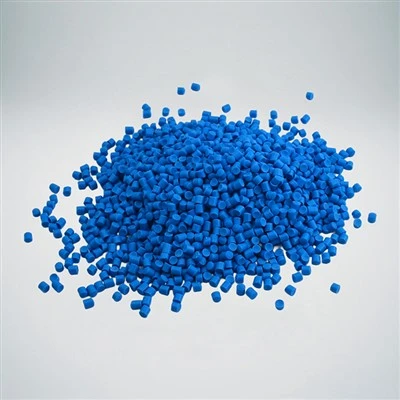
Let’s start with the industry that first put PE cable compounds on the map: power and utilities. When cities laid the first underground power lines a century ago, they needed a material that could protect wires from moisture, extreme temperatures, and physical damage—all while keeping electricity contained. PE, specifically cross-linked polyethylene (XLPE), became the standard almost overnight. Unlike older rubber or PVC options, XLPE doesn’t degrade from repeated voltage stress, can handle temperatures from -40°F to 190°F, and resists corrosion from soil chemicals. Today, this sector uses two primary PE compounds: insulation-grade PE for the inner layers that carry high-voltage current, and jacketing-grade PE for the outer layer that shields lines from UV rays, rodent damage, and outdoor weather. What I love about working with utility companies is that their standards are non-negotiable—they need compounds that meet strict IEEE specifications, so we regularly test our materials for dielectric strength and long-term thermal aging to make sure every cable they install will last 30+ years. Last year, a midwest utility came to us because their previous supplier’s PE compounds were cracking in the harsh plains winters; we adjusted the polymer blend to add impact modifiers, and now their lines have a 15% lower failure rate than before. It’s the kind of problem-solving that makes our work worthwhile.
Next up: telecommunications. In an era where we stream 4K videos, work from home, and rely on 5G for everything from hospital monitors to self-driving cars, the cables that carry data need to be fast, reliable, and small enough to fit in tight spaces. Low-smoke zero-halogen (LSZH) PE compounds are a game-changer here. Unlike regular PVC, which releases toxic fumes when burned, LSZH PE produces very little smoke or harmful gas—critical for indoor infrastructure like office building wiring, data center cables, and the small but essential 5G fiber optic cables that line rooftops and utility poles. Telecommunications companies also use foam PE compounds for inner layers of coaxial cables: the foam structure reduces the dielectric constant, which means data travels faster and with less signal loss. I’ve worked with fiber optic manufacturers for over a decade, and one thing I’ve learned is that their requirements are hyper-specific. A data center might need a flame-retardant PE compound that doesn’t interfere with fiber signals, while a rural telecom provider building a 5G network needs a flexible PE jacketing that can be pulled through narrow underground conduits. Our team develops custom blends for each, so clients don’t have to settle for a one-size-fits-all solution.
The automotive industry is another big, growing user of PE cable compounds. When I first started in this business 12 years ago, most car cables used PVC, but as electric vehicles (EVs) exploded onto the market, that shifted fast. EVs need cables that can handle high voltages (up to 800V in modern models) and extreme under-the-hood temperatures, while hybrid and gas-powered vehicles need wiring that resists oil, grease, and vibration. High-temperature cross-linked PE (HT-XLPE) is the go-to here: it can handle continuous temperatures up to 150°C, way more than standard PVC, and is lightweight enough to help reduce a car’s overall weight—key for improving EV range. I remember when Tesla was scaling its Model 3 production a few years back; they reached out to our team because their cable suppliers were delivering PE compounds that were too brittle for their assembly line’s automated crimping process. We added a small amount of ethylene propylene diene monomer (EPDM) to the PE blend, which boosted flexibility without sacrificing heat resistance, and that tweak helped them cut assembly time by 10%. Today, we supply automotive-grade PE compounds to a dozen EV and traditional car manufacturers across North America, and demand only keeps rising as more cars go electric.
Then there’s the construction industry, which uses PE cable compounds in two main ways: building wiring and infrastructure cables. For indoor residential and commercial wiring, LSZH PE compounds are the preferred choice these days, thanks to their flame resistance and low toxicity—critical for building codes that require materials to be safe for occupants in case of a fire. Outside of buildings, construction crews use direct-burial PE jacketing for underground power, communication, and fiber optic cables. These compounds are designed to resist moisture, soil chemicals, and root penetration, so they don’t need the same level of protection as above-ground cables. What’s unique about construction is that projects often have tight deadlines, so our team works with contractors to deliver small, urgent orders without raising prices. Last year, a building crew in Miami called us at 2 PM on a Friday—their original PE compound shipment was delayed, and they needed 500 feet of jacketing material to finish a high-rise’s wiring that weekend. We rushed a custom blend to their warehouse overnight, and they were able to meet their deadline. That kind of reliability is what keeps construction partners coming back.
I’d be remiss not to mention the maritime and aerospace industries, which rely on PE cable compounds for their own unique needs. In maritime settings, cables have to resist saltwater, humidity, and constant vibration—so oil-resistant PE compounds are standard for shipboard wiring and offshore wind farm cables. Offshore wind farms, a fast-growing sector for renewable energy, use XLPE PE compounds for their high-voltage power cables, which are laid on the seabed and need to last 25+ years in saltwater. In aerospace, lightweight, flame-retardant PE compounds are used in aircraft wiring, where every ounce of weight saved improves fuel efficiency. A few years ago, a small aerospace startup came to us looking for a PE compound that could withstand the extreme temperature swings of high-altitude flight—from -65°F at cruising altitude to 180°F in the cabin. We adjusted the polymer’s molecular structure to improve thermal stability, and their new wiring system passed all Federal Aviation Administration (FAA) tests on the first try. That’s the kind of precision work that makes our niche so rewarding.
Of course, there are other smaller but still important industries that use PE cable compounds too: consumer electronics (for charger cables, appliance cords, and internal device wiring), agricultural equipment (for irrigation system sensors and tractor wiring), and even renewable energy beyond wind—solar panel cables, for example, use UV-resistant PE compounds to handle years of sun exposure. Every industry has its own set of challenges, but the core need is the same: a PE compound that’s tailored to their specific conditions.
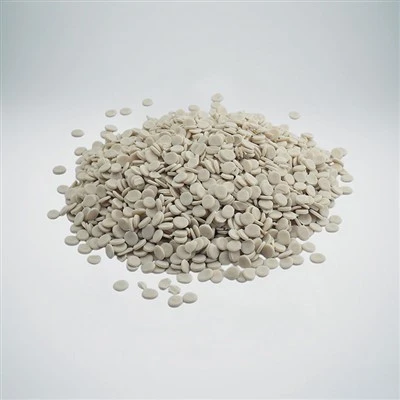
Now, you might be wondering: why does the supplier matter so much for these industries? Because not all PE compounds are created equal. A utility company can’t use a consumer-grade PE jacketing for high-voltage power lines—its dielectric strength won’t hold up. An EV manufacturer can’t use a regular PE blend for high-voltage cables; it’ll degrade in under a year. As a supplier, we don’t just sell plastic pellets—we work with clients from the initial design phase to final production, testing blends, adjusting formulas, and troubleshooting issues. We source high-quality base polymers from trusted refineries, add flame retardants, impact modifiers, and other additives only when needed, and test every batch in our in-house lab to ensure it meets industry standards.
If you’re a manufacturer working in any of these industries and you need PE cable compounds that are reliable, custom-formulated, and cost-effective, we’re here to help. Whether you’re scaling an EV production line, installing a new telecom network, or upgrading a building’s wiring, we can provide the right compound to fit your needs. Reach out to our team to discuss your project, and we’ll work with you to find a solution that works for your timeline and budget.
Thermoplastic LSZH Cable Compounds References
- IEEE Standard for Polyethylene Insulated Power Cables, IEEE Std 400-2012
- National Electrical Manufacturers Association (NEMA) Standards for Cable Compounds, NEMA TC 6-2020
- International Organization for Standardization (ISO) 188:2019, Rubber and Plastics—Accelerated Ageing and Heat Resistance Tests
- Society of Automotive Engineers (SAE) Standard for Automotive Cable Insulation, SAE J1128
- National Fire Protection Association (NFPA) 70, National Electrical Code, Article 310 for Cable Jacketing Materials
Opta New Materials (Jiangsu) Co., Ltd.
As one of the most professional pe cable compounds manufacturers and suppliers in China, we also support customized service. We warmly welcome you to buy bulk durable pe cable compounds from our factory. If you have any enquiry about free sample, please feel free to email us.
Address: No.80, Jingang Avenue, Zhenjiang New Area, Zhenjiang City, Jiangsu Province, China.
E-mail: le.yin@optachem.com
WebSite: https://www.optanewmaterials.com/
