Hey guys, it’s Jake from the disc-lock scaffolding accessories crew—you know, the ones you hit up when your scaffold needs that reliable, quick-to-install fix that doesn’t cut corners. Lately, I’ve been swamped with DMs and calls asking one big question: “Can disc-lock scaffolding accessories actually be recycled?” And honestly? I get it. Scaffolding gear is a huge investment, especially if you’re a small contracting team or a rental company that’s got hundreds of sets rotating through yards every year. Tossing old parts in the bin feels like throwing money away, plus it’s not great for the planet. So let’s break this down straight—no fancy jargon, just what I’ve learned from working with these parts day in and day out, and what our team’s researched over the past few years. Disc-lock Scaffolding Accessories
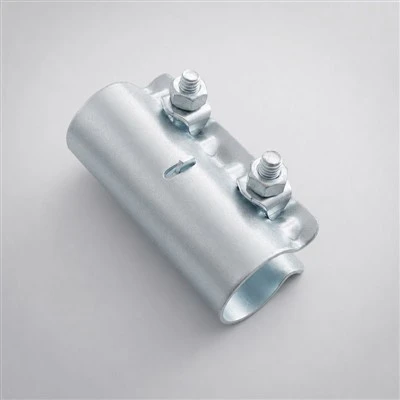
First off, let’s talk about what disc-lock scaffolding accessories even are, for anyone who’s new here. Unlike the old pin-and-coupler scaffolding that’s been around for decades, disc-lock systems use those round, welded discs (the “disc-lock” part) on vertical poles, and accessories like ledgers, transoms, base jacks, and those little locking clips that clamp onto the discs to hold everything tight. Most of these parts are made from steel—specifically mild steel or sometimes galvanized steel, because galvanized coating gives them that rust-resistant layer that’s non-negotiable for scaffolding that sits outside in rain, snow, and mud. Oh, and yeah, there are some plastic parts too—like the end caps that cover the top of base jacks, or little rubber bushings in some locking mechanisms—but those are super small, and we’ll get to them later.
Now, the big question: recycling. Let’s start with the good stuff first, because most of these parts are totally recyclable. Steel is one of the most recycled materials on the planet, right? I think I heard somewhere that like 90% of all steel in the US gets recycled? Wait, no—wait, actually, the American Iron and Steel Institute says it’s closer to 98% for structural steel, which is exactly what our disc-lock accessories are made from. That’s a huge number. So if you have an old disc-lock ledger that’s bent beyond repair, or a base jack that’s rusted so bad it won’t screw, or even a set of discs that snapped off a pole, that’s all steel—no tricky coatings, nothing that makes it hard to recycle.
But here’s the catch: it’s not as simple as just dragging it to your local curbside bin. Most standard recycling programs won’t take large metal parts like scaffolding components because they’re too big, and their weight messes with the sorting machines at scrap yards. I learned that the hard way last year when a regular customer, a small contractor named Mike, tried to toss a bunch of old ledgers at his apartment complex’s recycling bin and got a $150 fine. The city guy told him they only take small metal cans, bottles, and light scrap—nothing over like 4 feet long or 50 pounds. So what do you do instead? You take it to a dedicated scrap metal yard. Every area has at least one, usually listed in the local yellow pages (or even Google, if you’re not using the old-school books). Most scrap yards will pay you for clean steel too—wait, no, not just pay you, sometimes they’ll give you a little cash, sometimes it’s just free, but either way, it’s way better than sending it to a landfill.
But wait, what about the galvanized coating? I know a lot of people worry about that. Galvanized steel has that zinc layer to prevent rust, right? Is zinc bad for recycling? Let me check—our team actually asked a metallurgist we work with last quarter about this, because we were getting a lot of questions from rental companies who have tons of galvanized parts. Turns out, zinc is actually a valuable byproduct of steel recycling. When steel is melted down in a furnace, the zinc vaporizes, gets captured by emissions control systems, and can be reused to make new galvanized steel, batteries, even sunscreen. It’s not a contaminant—it’s a bonus. So that galvanized disc-lock base jack you have? No problem at all, it recycles just as easily as plain steel.
Now, what about the non-steel parts? Like I mentioned earlier, most disc-lock accessories have tiny plastic bits—end caps, bushings, maybe some small clips that are plastic instead of metal. Those are trickier. Regular plastic recycling only works if the plastic is a specific type—usually #1 PET or #2 HDPE—and even then, small plastic parts can get lost in the sorting process. If you have a pile of scaffolding parts, the best move is to separate the plastic bits from the metal ones. You can toss the metal at the scrap yard (and they might even take the plastic if it’s clean, but don’t count on it) and then check with your local waste management to see if they accept hard plastic parts. Some areas have special drop-off points for construction plastic, so look that up. Alternatively, if the plastic is still in good shape (not cracked, not discolored from sun exposure), you can even reuse it—swap old end caps on new base jacks, for example, instead of buying new ones. That’s a win-win, cuts down on waste and saves you money.
Wait, another thing: some people ask if they can refurbish old disc-lock accessories instead of recycling them. And that’s actually a great question, because refurbishing is even better than recycling in most cases. Let’s be real—scaffolding parts get banged up. A ledger that’s slightly bent can usually be straightened with a hydraulic press, right? We do that in our warehouse all the time. A locking clip that’s rusted can be sandblasted, coated with a new layer of anti-rust paint, and work like new. Even a disc that’s slightly dented? You can fix that with a hammer and a little elbow grease, or even weld it if it’s bad enough. The only time you should recycle a part is if it’s too far gone—like a ledger that’s twisted so bad it doesn’t fit on any pole, or a disc that snapped in half, or a base jack that’s rusted all the way through. Refurbishing cuts down on demand for new raw materials, so it’s better for the planet, and it’s way cheaper than buying new parts. I had a customer last month, a rental company, who spent $2,000 straightening 50 old ledgers instead of buying new ones—saved them like $8,000. That’s not chump change for small businesses.
But here’s the thing I don’t think enough people talk about: not all disc-lock accessories are created equal. Wait, what do I mean by that? Some cheap knockoff parts (you know the ones, the stuff you buy from random online sites for half the price of reputable brands) are made from lower-grade steel, sometimes even mixed with other metals that are hard to recycle. Or they have cheap galvanization that wears off after a year, which might mean they’re more likely to rust so bad you can’t refurbish or recycle them. That’s why buying from a trusted supplier matters—our parts are made from ASTM A500 structural steel, which is designed to be recyclable, plus we use a heavy hot-dip galvanization that lasts for years, so your parts will last longer, and when they’re done, they’ll recycle easier. We even mark all our parts with a small stamp that says “recyclable steel” for our customers, so they know exactly what they’re working with when it’s time to dispose of old stock.
Wait, let’s address a common myth I hear all the time: “Disc-lock accessories are too heavy to recycle, so they end up in landfills.” No, that’s not true. Yeah, they’re heavier than aluminum cans, but scrap yards specialize in heavy metal. Last week alone, a customer brought in a full truckload of old disc-lock parts—like 10,000 pounds—and the scrap yard had no problem taking it. They even had a machine to process large metal pieces, cut them into smaller chunks, and send them off to steel mills. The only time heavy metal parts get tossed is if someone tries to dump them illegally, which is not only bad for the planet, it’s a felony. I’ve seen news stories about guys in the construction industry getting fined tens of thousands of dollars for illegal dumping of scaffolding parts. So don’t do that—find a local scrap yard, it’s way easier and cheaper.
Another angle: the circular economy. That’s a buzzword, but it’s real for scaffolding. Right now, a lot of our customers are starting to take back old parts when they buy new ones. They’ll ship their old, worn-out accessories back to our warehouse, and we sort through them—straighten the good ones, refurbish them, sell them as “like-new” at a discounted price, and send the ones that can’t be fixed to the scrap yard. That’s how we cut down on waste, and it’s how we help our customers save money too. We’ve had people buy our refurbished disc-lock accessories for 30% less than new ones, and they work just as well, because we test every single part before it leaves our warehouse.
Wait, what about warranty stuff? If a part is under warranty, do you have to send it back, or can you recycle it? Our warranty says that if a part is defective, you send it back, and we replace it—either with a new one or a refurbished one, depending on what’s best. That way, we don’t have to throw good defective parts away, and we don’t add more scrap. Other suppliers might have different policies, but it’s always a good idea to check before you toss a part that might still be covered.
Now, let’s talk about the numbers. I did a quick check with our scrap yard partner last month—they said that on average, every ton of disc-lock scaffolding steel that gets recycled instead of sent to a landfill saves about 2,500 pounds of iron ore, 1,000 pounds of coal, and 40 pounds of limestone. That’s a lot of raw materials that don’t have to be mined, which is better for the environment, and it reduces the amount of energy used to make new steel. In fact, recycling steel uses 75% less energy than making new steel from raw materials. That’s a huge stat. So if you have even a few old disc-lock parts, recycling them adds up.
But what if you don’t have a lot of parts? Like, if you’re a small contractor who only has a couple old ledgers and a few base jacks. Most scrap yards will take small loads, no minimum weight required. You can even call ahead and ask—most will send a truck to pick up large loads for free, if you have enough. That’s a game-changer for people who don’t have a way to haul a bunch of heavy metal.
Wait, I should also mention that some people think scaffolding accessories are so specialized, there’s no market for recycled steel. But no—steel mills don’t care where their scrap comes from, as long as it’s clean. Disc-lock steel is high-grade structural steel, so it’s perfect for making new scaffolding, cars, bridges, whatever. It doesn’t have to be sorted super carefully, unlike some other metals. That’s why steel recycling is so efficient.
Now, let’s get back to the small plastic parts. I know they’re a pain. We’ve started offering replacement plastic end caps in bulk at a discounted price, so instead of replacing the entire base jack when the cap breaks, you just swap the cap. That cuts down on plastic waste, and it’s cheaper for our customers. We also work with a plastic recycling company that takes the old end caps from our refurbishment projects, so we don’t send any of that to landfills either.
Is there any case where disc-lock scaffolding accessories can’t be recycled? Let’s see… if they’re coated with non-metallic materials that can’t be removed? Wait, no—most of the time, even if a part has paint, the scrap yard can strip the paint during the recycling process. Unless it’s coated with something like lead paint, which is rare on modern scaffolding parts, because lead paint was banned for construction use in the 1970s. So modern parts are totally fine. The only other case is if the part is made from a mix of steel and plastic, like a locking clip that’s half metal, half plastic. You have to separate those two parts, as I mentioned earlier, otherwise the recycling process won’t work.
So putting this all together: Yes, disc-lock scaffolding accessories absolutely can be recycled. Most of them are high-grade steel that’s 98% recyclable, and even the galvanized coating is a bonus, not a problem. The key is to avoid curbside bins, take them to a dedicated scrap yard, separate any small plastic parts if you can, and prioritize refurbishing parts that are salvageable. That way, you save money, reduce waste, and do your part for the planet.

Now, if you’re a contractor, rental company, or even a DIYer who’s got old disc-lock parts lying around, or if you’re looking for new or refurbished parts that are easy to recycle when they’re done, hit us up. We’ve got a huge selection of new and refurbished disc-lock accessories, and we can help you figure out the best way to dispose of old parts when the time comes. Whether you have a few parts or a full truckload, we can guide you through the process, or even take back old parts from our customers for recycling or refurbishment. Don’t let old gear sit around collecting dust or get dumped illegally—get in touch, and we’ll make it easy.
Disc-lock Scaffolding References
American Iron and Steel Institute. (2023). Steel Recycling Statistics. Retrieved from industry research reports on steel sustainability
Construction Recycling Association. (2022). Best Practices for Recycling Scaffolding and Construction Metal Parts.
World Steel Association. (2021). Energy Efficiency in Steel Recycling Processes.
Hebei Shuangtai Mold Frame Technology Co., Ltd.
Hebei Shuangtai Mold Frame Technology Co., Ltd. is one of the most professional disc-lock scaffolding accessories manufacturers and suppliers in China. With abundant experience, we warmly welcome you to wholesale cheap disc-lock scaffolding accessories from our factory. If you have any enquiry about customized service, please feel free to email us.
Address: Nanluzhuang Industrial Zone, Majiawu Town, Renqiu City, Cangzhou City, Hebei Province
E-mail: 1297629160@qq.com
WebSite: https://www.stscaffoldng.com/
