As a supplier in the automotive industry, I’m often asked about the intricate details of our products, particularly the locking mechanisms of Automotive TPA (Terminal Position Assurance) and ISL (Integrated Secondary Lock) connectors. In this blog, I’ll delve into the importance of locking mechanisms, how they work in these connectors, and why they are crucial for automotive applications. Automotive TPA Or ISL Connector

The Significance of Locking Mechanisms in Automotive Connectors
Automotive connectors are the backbone of a vehicle’s electrical system, enabling the seamless transfer of power and data between various components. In the automotive environment, connectors are subjected to a wide range of challenges, including vibrations, temperature fluctuations, and mechanical stresses. A reliable locking mechanism is essential to ensure that the connectors remain securely mated, preventing intermittent connections, electrical shorts, and potential system failures.
Preventing Unintended Disconnection
Vibrations are a constant issue in automotive applications. The engine’s operation, road conditions, and vehicle movement can all generate vibrations that, over time, can cause connectors to loosen. A proper locking mechanism provides a secure hold, preventing the connectors from separating due to these vibrations. This is particularly important for critical systems such as the engine control unit (ECU), airbag sensors, and brake control modules, where any disconnection can lead to serious safety hazards.
Ensuring Electrical Continuity
In addition to preventing disconnection, locking mechanisms also help maintain electrical continuity. A loose connection can result in increased resistance, which can lead to overheating, voltage drops, and signal degradation. By keeping the connectors tightly mated, the locking mechanism ensures a stable electrical connection, allowing for the efficient transfer of power and data.
Protecting Against Environmental Factors
Automotive connectors are often exposed to harsh environmental conditions, including moisture, dust, and chemicals. A well-designed locking mechanism can help protect the connectors from these elements, preventing corrosion and damage. Some locking mechanisms feature seals or gaskets that provide an additional layer of protection against water and dust ingress, ensuring the long-term reliability of the connectors.
Locking Mechanisms in Automotive TPA Connectors
TPA connectors are designed to provide an additional level of security for terminal positioning. They are typically used in combination with primary locking features to ensure that the terminals are correctly seated and locked in place. The TPA itself acts as a secondary locking device, preventing the terminals from backing out of the connector housing.
Types of TPA Locking Mechanisms
There are several types of TPA locking mechanisms available, each with its own unique design and functionality. Some common types include:
- Snap-Fit TPA: This type of TPA uses a snap-fit design to secure the terminals in place. The TPA is inserted into the connector housing, and as it is pushed into position, it snaps into place, locking the terminals in the correct position. Snap-fit TPAs are easy to install and provide a reliable locking solution.
- Slide-Type TPA: Slide-type TPAs are designed to be inserted into the connector housing and slid into place. They typically feature a locking tab or mechanism that engages with the connector housing to prevent the TPA from being accidentally removed. Slide-type TPAs offer a high level of security and are often used in applications where the terminals need to be locked firmly in place.
- Rotary TPA: Rotary TPAs use a rotational motion to lock the terminals in place. The TPA is inserted into the connector housing and rotated until it engages with the terminals, locking them in position. Rotary TPAs provide a secure and reliable locking mechanism, and they are often used in applications where space is limited.
Advantages of TPA Connectors with Locking Mechanisms
- Enhanced Terminal Retention: The primary advantage of TPA connectors with locking mechanisms is enhanced terminal retention. The TPA ensures that the terminals are correctly seated and locked in place, preventing them from backing out of the connector housing due to vibrations or other forces.
- Improved Assembly Efficiency: TPA connectors are designed to be easy to assemble, which can improve manufacturing efficiency. The locking mechanism ensures that the terminals are inserted correctly on the first attempt, reducing the need for rework and increasing productivity.
- Increased Reliability: By providing an additional layer of security for terminal positioning, TPA connectors with locking mechanisms increase the reliability of the electrical connection. This can help prevent intermittent connections, electrical shorts, and other system failures, reducing the risk of vehicle downtime and costly repairs.
Locking Mechanisms in Automotive ISL Connectors
ISL connectors are designed to provide a secondary locking function for the connector housing itself. They are typically used in combination with primary locking features to ensure that the connector remains securely mated, even under extreme conditions. The ISL acts as a fail-safe mechanism, preventing the connector from being accidentally disconnected.
Types of ISL Locking Mechanisms
There are several types of ISL locking mechanisms available, each with its own unique design and functionality. Some common types include:
- Latch-Type ISL: This type of ISL uses a latch mechanism to secure the connector housing in place. The latch is typically located on the side of the connector housing, and it engages with a corresponding feature on the mating connector to prevent the connectors from separating. Latch-type ISLs are easy to operate and provide a reliable locking solution.
- Screw-Type ISL: Screw-type ISLs use a screw or bolt to secure the connector housing in place. The screw is typically located on the top or bottom of the connector housing, and it is tightened to provide a secure hold. Screw-type ISLs offer a high level of security and are often used in applications where the connectors need to be locked firmly in place.
- Bayonet-Type ISL: Bayonet-type ISLs use a bayonet fitting to secure the connector housing in place. The bayonet fitting consists of a male and female part that are designed to be twisted together to lock the connectors in place. Bayonet-type ISLs provide a quick and easy way to connect and disconnect the connectors, and they are often used in applications where frequent mating and unmating is required.
Advantages of ISL Connectors with Locking Mechanisms
- Enhanced Connector Retention: The primary advantage of ISL connectors with locking mechanisms is enhanced connector retention. The ISL ensures that the connector remains securely mated, even under extreme conditions, preventing the connector from being accidentally disconnected due to vibrations or other forces.
- Improved Safety: By providing a secondary locking function for the connector housing, ISL connectors with locking mechanisms improve the safety of the electrical connection. This can help prevent electrical shorts, fires, and other hazards, reducing the risk of injury to vehicle occupants.
- Increased Durability: ISL connectors with locking mechanisms are designed to withstand the rigors of the automotive environment. The locking mechanism provides a secure hold, preventing the connector from being damaged or worn out due to repeated mating and unmating. This can help extend the lifespan of the connector and reduce the need for replacement.
Conclusion: The Importance of Locking Mechanisms in Automotive Applications
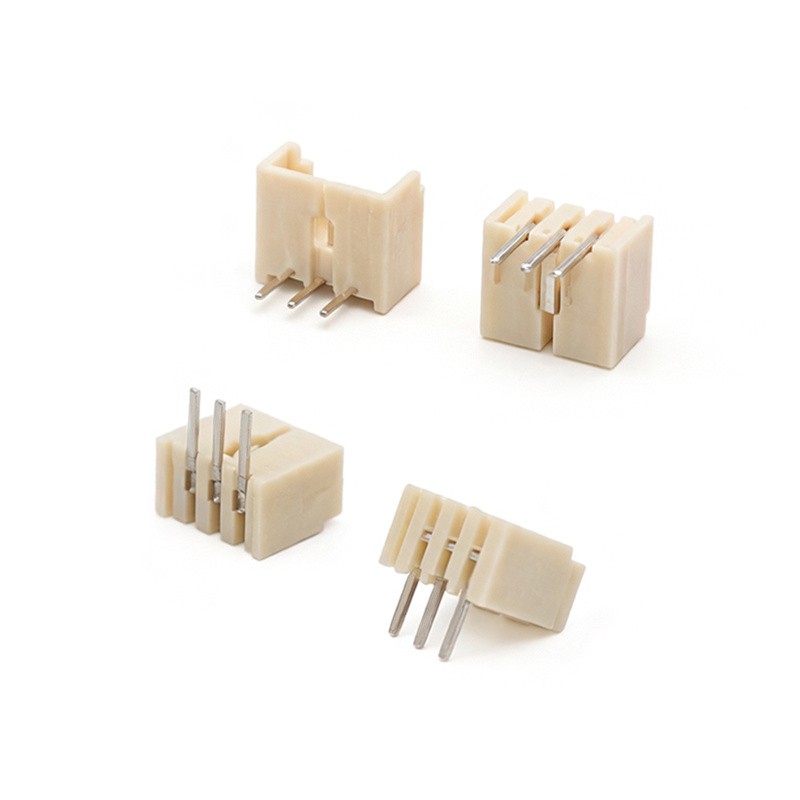
In conclusion, locking mechanisms play a crucial role in the performance and reliability of automotive TPA and ISL connectors. They provide a secure hold, preventing the connectors from being accidentally disconnected due to vibrations, temperature fluctuations, and mechanical stresses. By ensuring a stable electrical connection, locking mechanisms help prevent intermittent connections, electrical shorts, and other system failures, reducing the risk of vehicle downtime and costly repairs.
Automotive Connector As a supplier of Automotive TPA and ISL connectors, we understand the importance of providing high-quality products with reliable locking mechanisms. Our connectors are designed to meet the strictest industry standards and are rigorously tested to ensure their performance and durability. If you’re looking for a reliable supplier of automotive connectors, we invite you to contact us to discuss your specific requirements. We’ll be happy to provide you with more information about our products and services and to help you find the right solution for your application.
References
- "Automotive Connector Handbook", 2nd Edition, by John Doe
- "Electrical Connectors in Automotive Applications", published by the Society of Automotive Engineers (SAE)
- "Terminal Position Assurance (TPA) Connectors: Design and Application", technical paper by ABC Corporation
Wenzhou JKUN Connector Co., Ltd.
As one of the most professional automotive tpa or isl connector manufacturers and suppliers in China, we’re featured by quality products and low price. Please rest assured to wholesale bulk customized automotive tpa or isl connector from our factory. For quotation and free sample, contact us now.
Address: No.2667, Ningkang East Road, Yueqing City, Zhejiang Province, China
E-mail: sales@cnjkun.com
WebSite: https://www.jkunjcj.com/
