As a seasoned supplier of charging cables, I’ve encountered numerous inquiries regarding the disparities between power cables and charging cables. This confusion is quite understandable, given that both types of cables play crucial roles in powering our devices, yet they serve distinct purposes. In this blog post, I aim to shed light on these differences, providing you with a comprehensive understanding to help you make informed decisions when it comes to your cable needs. Charging Cables

Understanding Power Cables
Power cables, also known as mains cables or power cords, are primarily designed to transmit electrical power from a power source, such as a wall outlet, to an electrical device. They are the essential link that allows appliances, electronics, and machinery to receive the energy they need to function.
Power cables are typically composed of multiple conductors, insulated from one another and encased in a protective outer sheath. The conductors are usually made of copper or aluminum, which are excellent conductors of electricity. The insulation materials used, such as PVC (polyvinyl chloride) or rubber, prevent the flow of electricity outside the cable, ensuring safety and preventing electrical shocks.
The design and construction of power cables vary depending on their intended use. For instance, cables used in high-power applications, such as industrial machinery or large appliances, are typically thicker and more robust to handle larger electrical currents. On the other hand, cables used for smaller devices, like laptops or chargers, are thinner and more flexible.
One of the key characteristics of power cables is their ability to carry high voltages and currents. They are rated for specific voltage and current capacities, which are determined by factors such as the size of the conductors, the type of insulation, and the ambient temperature. It is crucial to use power cables that are rated appropriately for the device they are powering to prevent overheating, electrical fires, and damage to the equipment.
Exploring Charging Cables
Charging cables, on the other hand, are specifically designed to transfer electrical energy from a power source to a rechargeable battery, such as those found in smartphones, tablets, laptops, and other portable devices. While they also transmit power, their primary function is to regulate the charging process and ensure the safe and efficient transfer of energy to the battery.
Charging cables typically consist of a connector at one end that plugs into the power source, such as a wall charger or a USB port on a computer, and another connector at the other end that connects to the device being charged. The most common types of connectors used in charging cables include USB-A, USB-C, Lightning, and Micro-USB.
In addition to the connectors, charging cables also contain wires that carry the electrical current and, in some cases, data transfer lines. These data lines allow the cable to not only charge the device but also transfer data between the device and a computer or other compatible device. This feature is particularly useful for syncing files, updating software, and backing up data.
One of the main differences between charging cables and power cables is the level of power they are designed to handle. Charging cables are typically rated for lower voltages and currents compared to power cables, as they are primarily used to charge small electronic devices with relatively low power requirements. However, with the increasing popularity of fast charging technologies, some charging cables are now capable of delivering higher currents to facilitate faster charging times.
Another important aspect of charging cables is their ability to regulate the charging process. Most modern charging cables are equipped with intelligent charging circuits that monitor the battery’s voltage, temperature, and charge level. These circuits adjust the charging current and voltage accordingly to prevent overcharging, overheating, and damage to the battery.
Key Differences between Power Cables and Charging Cables
Now that we have a better understanding of power cables and charging cables, let’s take a closer look at the key differences between them:
Purpose
The primary purpose of power cables is to transmit electrical power from a power source to an electrical device, while the main function of charging cables is to transfer electrical energy from a power source to a rechargeable battery.
Design and Construction
Power cables are generally thicker and more robust than charging cables, as they are designed to handle higher voltages and currents. They typically have multiple conductors and a protective outer sheath to ensure safety and durability. Charging cables, on the other hand, are thinner and more flexible, with connectors and wires specifically designed for charging and data transfer.
Voltage and Current Ratings
Power cables are rated for higher voltages and currents compared to charging cables, as they are used to power larger electrical devices. Charging cables are designed for lower power applications and are typically rated for voltages ranging from 5V to 20V and currents ranging from a few hundred milliamperes to a few amperes.
Data Transfer Capability
While some power cables may have the ability to transmit data, such as Ethernet cables or HDMI cables, most power cables are primarily used for power transmission. Charging cables, on the other hand, are often equipped with data transfer lines, allowing them to not only charge the device but also transfer data between the device and a computer or other compatible device.
Safety Features
Both power cables and charging cables are designed with safety in mind. Power cables are typically equipped with insulation and grounding features to prevent electrical shocks and short circuits. Charging cables, in addition to insulation and grounding, also have intelligent charging circuits that regulate the charging process and prevent overcharging, overheating, and damage to the battery.
Choosing the Right Cable for Your Needs
When it comes to choosing between a power cable and a charging cable, it’s important to consider the specific requirements of your device. Here are some factors to keep in mind:
Device Compatibility
Make sure the cable you choose is compatible with your device. Check the device’s user manual or specifications to determine the type of connector and the voltage and current requirements.
Power Requirements
If you are powering a large electrical device, such as a refrigerator or a washing machine, you will need a power cable with a higher voltage and current rating. For charging a small electronic device, such as a smartphone or a tablet, a charging cable with a lower voltage and current rating will suffice.
Data Transfer Needs
If you need to transfer data between your device and a computer or other compatible device, choose a charging cable with data transfer capabilities. Some cables, such as USB-C cables, support high-speed data transfer, allowing you to transfer large files quickly and easily.
Safety Features
Look for cables that are certified by recognized safety standards organizations, such as UL (Underwriters Laboratories) or CE (Conformité Européene). These certifications ensure that the cables meet strict safety requirements and have been tested for quality and reliability.
Why Choose Our Charging Cables
As a leading supplier of charging cables, we take pride in offering a wide range of high-quality cables that meet the diverse needs of our customers. Here are some reasons why you should choose our charging cables:
Superior Quality
Our charging cables are made from high-quality materials and are designed to withstand daily use and wear and tear. We use thick copper conductors and durable insulation materials to ensure reliable and efficient power transfer.
Advanced Technology
Our cables are equipped with the latest charging technologies, such as fast charging and intelligent charging circuits, to provide you with a faster and safer charging experience. Our fast charging cables are capable of delivering high currents to your device, allowing you to charge your battery in less time.
Wide Compatibility
We offer a variety of cables with different connectors, including USB-A, USB-C, Lightning, and Micro-USB, to ensure compatibility with a wide range of devices. Whether you have a smartphone, a tablet, a laptop, or other portable devices, we have the right cable for you.
Excellent Customer Service
We are committed to providing our customers with the best possible service. Our customer support team is available to answer your questions and assist you with any issues you may encounter. We also offer a satisfaction guarantee on all of our products, so you can shop with confidence.
Conclusion
In conclusion, power cables and charging cables serve different purposes and have distinct characteristics. While power cables are designed to transmit electrical power from a power source to an electrical device, charging cables are specifically designed to transfer electrical energy from a power source to a rechargeable battery. Understanding the differences between these two types of cables is essential for choosing the right cable for your needs and ensuring the safe and efficient operation of your devices.
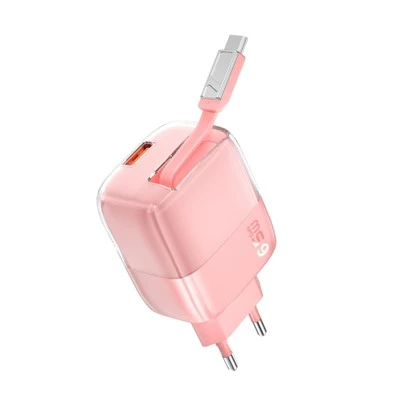
Wall Chargers If you are in the market for high-quality charging cables, we invite you to contact us to discuss your requirements. Our team of experts will be happy to assist you in selecting the right cables for your devices and provide you with competitive pricing and excellent customer service. Let us help you meet your charging needs with our reliable and innovative charging solutions.
References
- Electrical Wiring Handbook, 19th Edition, by Terrell Croft and Wilford Summers
- Electrical Engineering: Principles and Applications, 6th Edition, by Allan R. Hambley
- The Art of Electronics, 3rd Edition, by Paul Horowitz and Winfield Hill
Shenzhen Xierun Electronics Co., Ltd.
Shenzhen Xierun Electronics Co., Ltd. is one of the most professional charging cables manufacturers and suppliers in China. With abundant experience, we warmly welcome you to wholesale the newest charging cables made in China here from our factory. We also accept customized orders.
Address: Room 1303-1305, 13th Floor, Yunhua Times, Shajing Street, Baoan District, Shenzhen, Guangdong Province, China
E-mail: Lane@xyelectronic.com
WebSite: https://www.xierunelec.com/
