Hey there! I’m a supplier of injection molding robot arms, and I often get asked about the power consumption of these nifty machines. Today, I’m going to break it down for you and give you a good idea of what to expect. Injection Molding Robot Arm
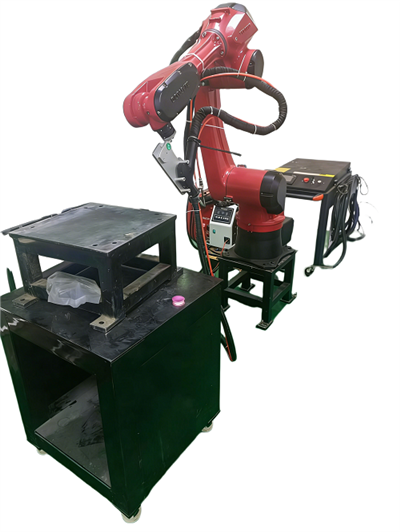
First things first, let’s understand why power consumption matters. In the manufacturing world, energy costs are a big deal. The more power a machine uses, the higher your operating costs will be. And let’s face it, nobody wants to see their profits eaten up by sky – high electricity bills. So, knowing the power consumption of an injection molding robot arm can help you plan your budget better and make more cost – effective decisions.
Now, the power consumption of an injection molding robot arm isn’t a one – size – fits – all number. It depends on a bunch of factors. One of the main factors is the size and type of the robot arm. Smaller robot arms generally use less power than larger ones. For example, a compact robot arm designed for light – duty tasks might have a relatively low power draw, maybe around 1 – 2 kilowatts (kW). These are great for small – scale injection molding operations where you don’t need a whole lot of muscle.
On the other hand, if you’re dealing with a heavy – duty robot arm that can handle large and complex parts, the power consumption can be significantly higher. Some of these industrial – grade robot arms can consume anywhere from 5 to 10 kW or even more. They’ve got more powerful motors and bigger actuators to move those hefty loads around, so it makes sense that they’ll suck up more electricity.
Another factor that affects power consumption is the operation mode of the robot arm. If the robot arm is constantly in motion, performing rapid pick – and – place operations or complex maneuvers, it will use more power than if it’s sitting idle or moving at a slower pace. For instance, during a high – speed production run, the robot arm might be working at full throttle, and its power consumption will spike. But during breaks or when it’s waiting for the injection molding machine to cycle, the power usage will drop.
The efficiency of the robot arm’s design also plays a key role. Modern robot arms are often engineered to be more energy – efficient. They might use advanced motor control systems that can adjust the power output based on the actual load. For example, if the robot is carrying a light part, the motor can run at a lower power setting, saving energy. Some robot arms also come with regenerative braking systems. When the robot slows down or stops, these systems can convert the kinetic energy back into electrical energy and feed it back into the power supply, reducing overall power consumption.
Let’s talk about how you can measure the power consumption of an injection molding robot arm in your own facility. One way is to use a power meter. You can connect the power meter between the robot arm and the electrical supply. This will give you a real – time reading of how much power the robot arm is using at any given moment. You can also use this data to calculate the average power consumption over a certain period, say a day or a week. This information can be really useful for cost analysis and predicting future energy costs.
Now, I know what you’re thinking. "All of this is great, but how can I reduce the power consumption of my injection molding robot arm?" Well, here are a few tips. First, make sure the robot arm is properly maintained. A well – maintained robot will operate more efficiently. Keep the motors clean, lubricate the moving parts regularly, and check for any worn – out components. If a motor is dirty or if the gears are grinding, it will have to work harder, which means using more power.
Secondly, optimize the cycle time of your injection molding process. If you can reduce the time the robot arm has to wait between operations, you can make the production process more continuous and energy – efficient. For example, you can adjust the settings of the injection molding machine so that the parts are ready for the robot arm to pick up as soon as possible.
Lastly, consider using energy – management software. Many modern injection molding robot arms are compatible with this kind of software. It can help you monitor and control the power consumption of the robot arm. You can set limits on how much power the robot can use, schedule its operations during off – peak electricity hours when the rates are lower, and even analyze the power usage patterns to identify areas for improvement.
As a supplier, I always recommend that my customers take power consumption into account when choosing an injection molding robot arm. It’s not just about the initial purchase price. You need to think about the long – term operating costs. And trust me, the right robot arm with lower power consumption can save you a ton of money in the long run.
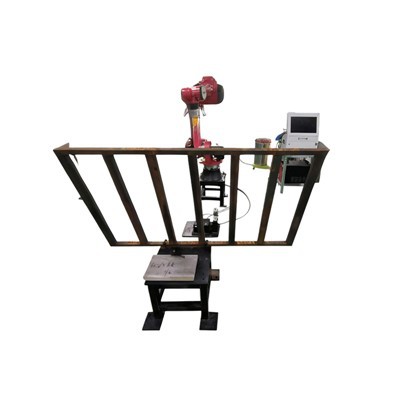
If you’re in the market for an injection molding robot arm and want to learn more about power consumption and which model might be best for your needs, I’d love to have a chat with you. I’ve got a wide range of robot arms in my inventory, each with different power consumption profiles and capabilities. Whether you’re running a small workshop or a large – scale manufacturing plant, I can help you find the perfect fit. So, don’t hesitate to reach out and start a conversation. You can contact me to discuss your specific requirements and get a custom – tailored solution for your injection molding operations.
Loading and Unloading Robot References
- "Industrial Robotics: Energy – Efficient Design and Operation" – Industry Research Report
- "Injection Molding Handbook" – Manufacturing Technology Press
Dongguan Chuanglida Intelligent Equipments Co., Ltd.
As one of the most professional injection molding robot arm manufacturers and suppliers in China, we also support customized service. Please feel free to buy discount injection molding robot arm in stock here from our factory. For price consultation, contact us.
Address: Room 201, Building 2, No. 61, Shachang 1st Road, Dalang Town, Dongguan City, Guangdong Province
E-mail: haoguangli001@outlook.com
WebSite: https://www.boruntestech.com/
