What is the effect of pH on the performance of ion exchange equipment? Ion Exchange Equipment
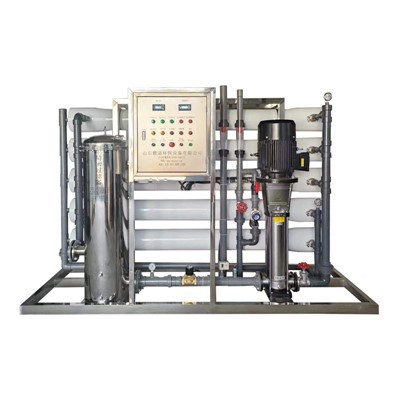
Hey there! As a supplier of ion exchange equipment, I’ve seen firsthand how the pH level can have a huge impact on how well this gear works. So, let’s dive into what’s going on when it comes to pH and ion exchange equipment.
First off, let’s quickly go over what ion exchange equipment is all about. Ion exchange is a process where ions in a solution are swapped with other ions that are attached to a solid resin. This is a super useful way to remove or separate certain ions from a liquid. You’ll find ion exchange equipment being used in all sorts of industries, like water treatment, food and beverage production, and even in some parts of the pharmaceutical industry.
Now, let’s talk about pH. pH is a measure of how acidic or basic a solution is. It’s measured on a scale from 0 to 14, where 7 is considered neutral. Anything below 7 is acidic, and anything above 7 is basic. The pH of a solution can have a big influence on the performance of ion exchange equipment, and here’s how.
Resin Selectivity
One of the key ways pH affects ion exchange equipment is through resin selectivity. Different types of ion exchange resins have different preferences when it comes to which ions they’ll grab onto. And guess what? The pH of the solution can change those preferences.
For example, in a cation exchange resin, which is designed to swap positively charged ions, the resin might be more likely to grab onto certain metal ions at a specific pH range. If the pH is too high or too low, the resin might start to prefer other ions, or it might not bind to the target ions as well. This can lead to a decrease in the efficiency of the ion exchange process, meaning you might not get as much of the unwanted ions removed from the solution as you’d like.
Let’s say you’re using an ion exchange system to remove calcium ions from water. At a certain pH, the resin will have a high affinity for calcium ions and will do a great job of pulling them out of the water. But if the pH changes, the resin might start to let go of the calcium ions or might prefer to bind to other ions in the water instead. This can result in less effective water softening, which is a common application of ion exchange equipment.
Resin Capacity
Another important aspect is resin capacity. This is basically how much of the target ions a resin can hold. The pH of the solution can have a significant impact on resin capacity.
In some cases, a change in pH can cause the resin to swell or shrink. When a resin swells, it can have more room to hold onto ions, increasing its capacity. On the other hand, if the resin shrinks, there’s less space for ions to bind, and the capacity goes down.
For instance, in an anion exchange resin, which deals with negatively charged ions, an increase in the basicity (higher pH) might cause the resin to swell. This swelling can create more active sites on the resin where the target anions can attach. But if the pH gets too high or too low, it can also cause the resin to become less stable or even damage the resin structure. This can lead to a permanent loss of capacity, which is obviously not good for the performance of the ion exchange equipment.
Regeneration Process
The pH also plays a crucial role in the regeneration process of ion exchange resins. Regeneration is when you flush the resin with a solution to remove the ions that it’s picked up during the ion exchange process, so it can be used again.
The pH of the regeneration solution needs to be carefully controlled. If the pH is off, the regeneration might not be effective. For example, if you’re using a strong acid to regenerate a cation exchange resin, the pH of the acid solution needs to be within a certain range to ensure that all the unwanted cations are removed from the resin and replaced with the hydrogen ions from the acid.
If the pH of the regeneration solution is too high, the acid might not be strong enough to displace all the cations from the resin. On the other hand, if the pH is too low, it could damage the resin. This is why it’s so important to understand the optimal pH conditions for both the ion exchange process and the regeneration process.
Specific Applications and pH Effects
Let’s take a look at some specific applications of ion exchange equipment and how pH affects them.
Water Treatment: In water treatment, ion exchange equipment is often used to remove contaminants like heavy metals, hardness ions (calcium and magnesium), and even some anions like nitrate and sulfate. The pH of the water can greatly affect the efficiency of these removal processes.
For example, when removing heavy metals like lead and mercury, the pH needs to be carefully adjusted. At low pH values, these metal ions might be more soluble in the water and less likely to bind to the resin. But if the pH is too high, metal hydroxides might form, which can clog the resin and reduce its performance.
In the case of water softening, the ideal pH for a cation exchange resin to remove calcium and magnesium ions is typically around 6 – 8. If the pH goes outside this range, the resin’s ability to exchange these ions can be compromised.
Food and Beverage Industry: In the food and beverage industry, ion exchange equipment is used for various purposes, such as demineralization, deacidification, and purification. The pH can have a direct impact on the quality of the final product.
For example, in the production of fruit juices, ion exchange can be used to remove excess acids. The pH of the juice needs to be monitored closely during the ion exchange process. If the pH is too low, the resin might not remove enough acid, and the juice could still be too tart. If the pH is too high, it could affect the flavor and nutritional value of the juice.
Pharmaceutical Industry: In the pharmaceutical industry, ion exchange is used for processes like purification and isolation of active ingredients. The pH is critical in ensuring the purity and effectiveness of the final product.
For example, when purifying a drug compound, the pH of the solution can affect how well the ion exchange resin binds to impurities. If the pH is not optimized, the resin might not be able to remove all the unwanted substances, which could lead to a lower-quality product.
Monitoring and Controlling pH
So, how can you make sure that the pH is just right for your ion exchange equipment to perform at its best? Well, the first step is to monitor the pH of the solution regularly. You can use pH meters or pH sensors to do this. These devices are relatively easy to use and can give you an accurate reading of the pH.
Once you know the pH, you can take steps to adjust it if necessary. If the solution is too acidic, you can add a base to raise the pH. If it’s too basic, you can add an acid to lower the pH. It’s important to do this slowly and carefully, as sudden changes in pH can also have a negative impact on the resin and the performance of the equipment.
In addition, it’s a good idea to have a buffer system in place. A buffer is a solution that can resist changes in pH when small amounts of acid or base are added. This can help keep the pH within the desired range during the ion exchange process.
Conclusion
In conclusion, the pH of the solution has a profound effect on the performance of ion exchange equipment. It affects resin selectivity, capacity, and the regeneration process, and can have a big impact on the efficiency and effectiveness of the ion exchange process in various applications.
As a supplier of ion exchange equipment, I can tell you that understanding and controlling the pH is key to getting the most out of your equipment. If you’re having trouble with your ion exchange system or are looking to improve its performance, pH is definitely something you should consider.
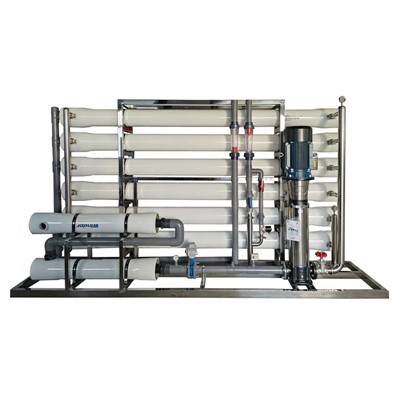
Reverse Osmosis Water System If you’re in the market for high – quality ion exchange equipment or need some advice on optimizing the pH for your specific application, don’t hesitate to reach out. We’re here to help you get the best results from your ion exchange processes. Give us a call and let’s start a conversation about how we can meet your needs.
References
- Helfferich, F. (1962). Ion Exchange. McGraw – Hill.
- Dorfner, K. (1991). Ion Exchangers: Properties and Applications. de Gruyter.
- Clifford, D. A. (1999). Ion Exchange for Water Treatment. John Wiley & Sons.
Shandong Yanuo Environmental Protection Equipment Co., Ltd.
We’re well-known as one of the leading ion exchange equipment manufacturers and suppliers in China, featured by quality products and good price. Please rest assured to buy bulk ion exchange equipment made in China here from our factory. Customized orders are welcome.
Address: North Side of the Road, 1,000 Meters West of the Intersection of Fenghuangshan West Road and Provincial Highway S102, Wangfu Subdistrict, Qingzhou City, Weifang City, Shandong Province.
E-mail: ynhb.499973983@gmail.com
WebSite: https://www.zkyaruo.com/
